

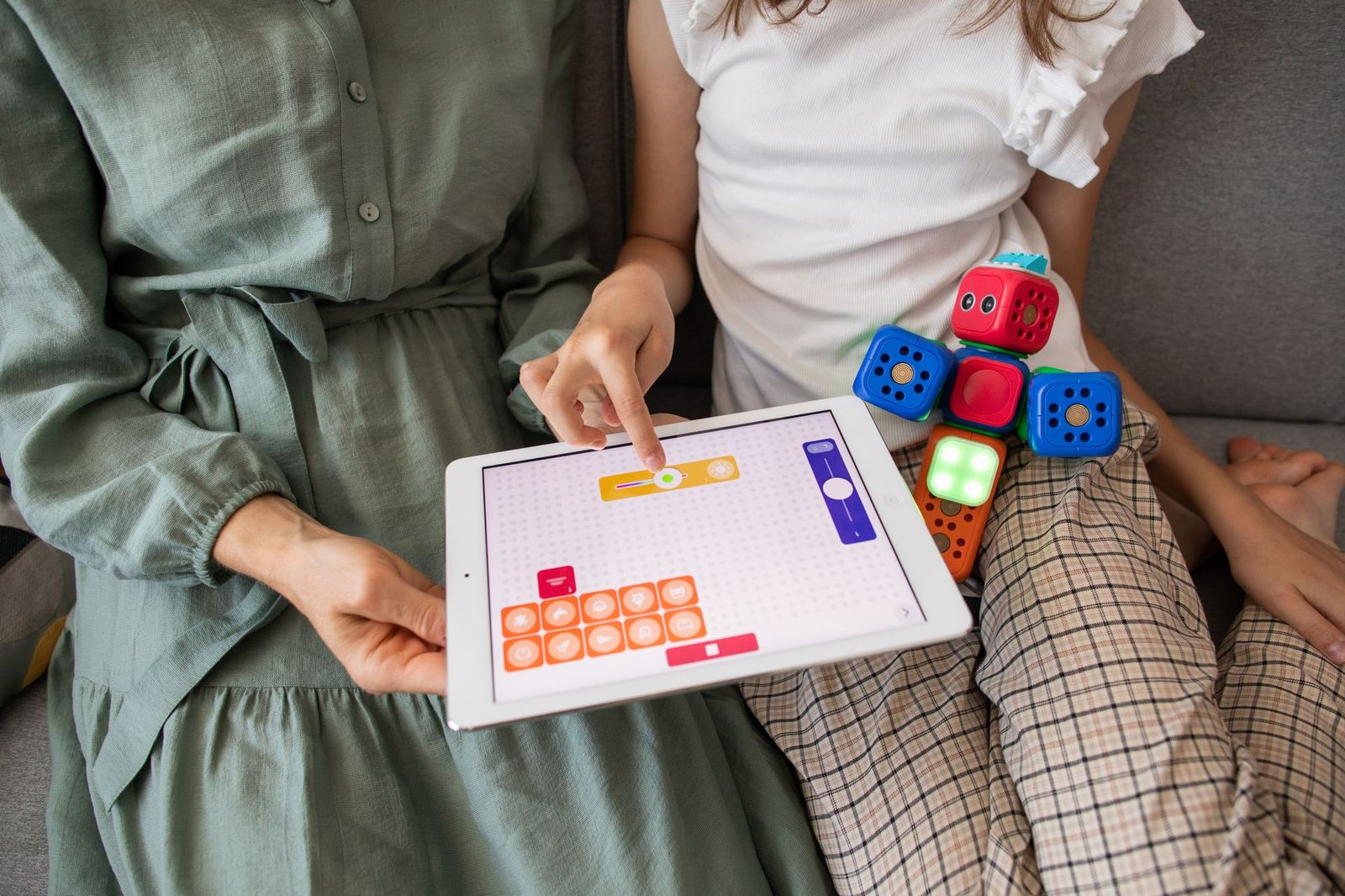
The data-protection and store requirements children's games and apps must follow.
If you publish a game or app for children, both store rules and data-protection law are much stricter than for ordinary apps. A project that is not set up properly can be removed from the store or lead to administrative sanctions.
Which frameworks apply?
- KVKK (Law 6698): children's personal data must be obtained with explicit consent given by a parent or guardian, and the data minimisation principle applies.
- COPPA (US) and GDPR-K (EU): parental consent is mandatory under 13 (16 in some EU countries).
- Apple Kids Category and Google Play Families: personalised ads, third-party analytics and external links are banned or severely limited.
Design principles
- Do not collect data: a design that works without a child's name, location, photo or device ID is the safest path.
- Parental gate: purchases, settings and external links must sit behind parental verification (such as a simple maths question).
- Ad-free or an approved ad network: use only child-certified networks; a premium (one-time) model is often cleaner.
- Age-appropriate content and language: no frightening, misleading or manipulative design patterns (dark patterns).
The store process
On both stores the target age range is declared and releases are reviewed in more detail than usual. The privacy policy must be reachable inside the app in Turkish and English. Preparing a "kids mode" build that switches off analytics SDKs is good practice.
The Little Explorers experience
Quick pre-release checklist
- Is the target age range selected correctly in the store form?
- Are third-party SDKs (analytics, ads, crash reporting) switched off in kids mode?
- Is the privacy policy in plain language a parent can understand?
- Is there an easy way to request data deletion?
- Are social features (chat, leaderboards) moderated or anonymous?
Applying this list at the start of development sharply cuts the risk of rejection before release; fixing it later usually means changing the architecture.
Transparent communication with parents
Parents want to see quickly what is collected before they download with confidence. Writing a clear "data we do not collect" list in the store description and the parent panel earns both trust and conversion. Accessibility is part of the same experience: voice guidance, large touch targets and a low reading level help children use the app on their own.
In our educational game for ages 3-7, Little Explorers, no personal data is collected; the progress report is calculated on the device and written only to the parent panel. The game passed Apple Kids Category review on day one. If you would like to bring this approach to your own children's app, we will share our compliance checklist in the discovery call.